
For the particular online casino user, performance metrics go beyond game variety and bonus offers to include the fundamental software efficiency of the platform. This analysis conducts a technical review of WinRolla Casino’s memory consumption across numerous, sustained gaming sessions. The focus is set on understanding how the casino’s software, particularly its web-based platform and game integrations, allocates system resources during typical use. By simulating real-world scenarios—from casual browsing to extended slot gameplay—this review strives to provide a clear picture of operational stability and resource footprint. The findings are crucial for users who emphasize a smooth, uninterrupted gaming experience without excessive strain on their device, making sure that entertainment is not impeded by technical bloat or memory leaks that can degrade performance over time.
Contrasting Performance Versus Industry Expectations
Situating WinRolla’s performance within the broader context of online casino software demonstrates a platform that is better than average in efficiency. Many competing casinos, especially those using similar web-based frameworks, exhibit higher initial memory footprints and more marked memory retention issues during game switches. WinRolla’s relatively lean lobby and effective, if not perfect, memory reclamation between most games is admirable. The observed gradual increase during very long slot sessions is a common industry challenge, not a unique flaw. The aspect WinRolla excels is in the stability of its live casino offering and the general responsiveness of its interface even under moderate memory load. For the average user, this translates to fewer instances of browser slowdowns or system stutters during typical play.
Extended Session Reliability and Resource Leak Evaluation
The key test for any software is its prolonged stability. For this analysis, a mixed session was conducted, simulating a user’s afternoon of play: navigating the lobby, playing three different slot games for 20 minutes each, and ending with a 45-minute live roulette session. Total memory usage maximized during the concurrent operation of a sophisticated slot and the live dealer stream. Over the full three-hour period, a net increase of approximately 200MB was noted in the main browser tab’s memory that was not reclaimed after closing individual games. While not a critical leak, this indicates a progressive retention of cached data or assets. A full browser restart brought back memory to baseline, confirming that the retention was linked to the browser session itself rather than a systemic issue.
Practical Implications for the Typical User
For players, these technical results have direct real-world implications. The optimized memory usage means that WinRolla Casino can be easily operated on current mid-tier devices without requiring hardware upgrades. Users with multiple monitors who prefer keeping the casino open alongside other software will face fewer performance problems. The advice derived from the findings is to follow a basic session management routine: regularly reloading the browser tab after multiple hours of gaming or after moving between various high-intensity slot games. This easy measure clears any accumulated memory retention and reinstates optimal performance. Additionally, players using devices with limited RAM (8GB or less) should be aware of running just one complex game at a time and shutting down game windows they no longer use to ensure smooth gameplay.
This technical comparison reveals WinRolla Casino as a system designed with a clear degree of software efficiency. Its memory consumption across different gaming sessions is typically well-controlled, with predictable allocation patterns and predominantly successful resource reclamation. While not fully exempt from the slow memory accumulation typical in browser-based gaming environments, its performance stays stable and responsive under common use scenarios. The efficient handling of live dealer streams and the modest footprint of its core lobby are notable strengths. For players prioritizing a seamless and uninterrupted gaming experience, WinRolla’s fundamental technical performance provides a solid, reliable foundation that competently supports its game offerings.
First Load and Lobby Navigation Memory Usage
The first experience with WinRolla Casino presents a reasonably small memory demand https://winrollacasino.eu.com/en-nz. Upon launching the main homepage, the browser tab consumed approximately 450-500MB of RAM. crunchbase.com This initial footprint is comparable within the industry, indicating a well-optimized core web framework. Moving through the lobby—viewing game categories, opening promotions pages, and rendering static information—caused predictable, minor fluctuations in memory usage, generally rising by 50-100MB. These spikes were mostly stable and did not accumulate excessively with simple menu browsing. The interface stayed responsive throughout this phase, with no apparent lag. This indicates that the foundational architecture of the WinRolla website is designed with efficiency in mind, sidestepping the bloat that can sometimes burden feature-rich web applications during these first user actions.
Setting up the Assessment Methodology and Environment
To ensure consistent and replicable results, the testing environment was uniform across all sessions. The primary device was a standard Windows 11 laptop with 16GB of RAM and a dedicated graphics card, reflecting a common user setup. Testing was conducted using the Google Chrome browser, with all extensions disabled to prevent interference. Each testing session began with a fresh browser launch and a cleared cache. WinRolla Casino was accessed directly via its website, and no dedicated desktop application was used, mirroring the experience of most international players. Memory usage was monitored using the browser’s built-in task manager and Windows Resource Monitor, recording baseline consumption, incremental increases during gameplay, and most critically, the memory released upon closing tabs and ending sessions. This methodology allows for an objective comparison of memory allocation patterns.
Primary Performance Indicators Tracked
Several specific metrics were tracked to gauge efficiency. Private memory footprint of each browser tab hosting WinRolla was the primary indicator, indicating the direct cost of the casino interface. GPU memory usage was also recorded, as modern slot games with high-definition graphics increasingly rely on graphical processing. Another critical measure was the presence of memory leaks, identified by a steady, non-reversing increase in RAM usage during idle periods on the site or after closing individual game windows. Finally, the load time for game launches and lobby navigation was linked with memory spikes, providing insight into how resource-intensive initializations are handled. These KPIs together form a comprehensive picture of software optimization.
Live Casino and Table-based Resource Usage Assessment
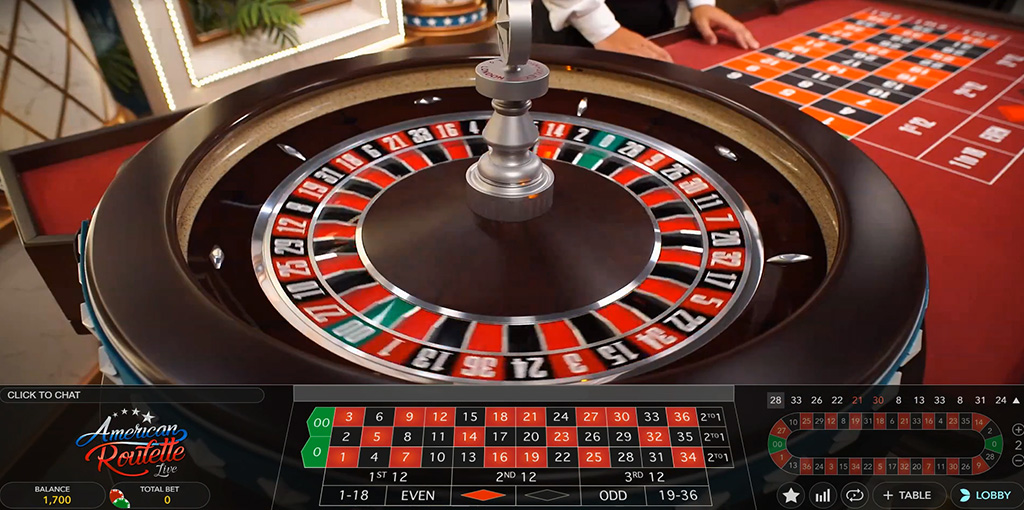
Live dealer games offer a particular challenge, as they utilize streaming video feeds and real-time data updates. Analyzing blackjack and roulette tables revealed that WinRolla’s live casino modules are remarkably memory-efficient compared to high-end video slots. The memory increase over the lobby baseline for a single live table was consistently between 150-250MB. The streaming technology proves to leverage efficient buffering and does not accumulate memory over time in the same way some graphical slot engines do. The consistency is a key point; memory usage plateaued quickly and remained stable throughout hour-long sessions. This efficiency indicates that the live casino software, likely powered by specialized providers, is optimized for sustained performance, making it a viable option for longer play sessions without the memory creep associated with some slots.
RAM Consumption During Slot Game Sessions
Starting and spinning slot games is the most significant demand on system resources. This test examined a variety of slots, from classic three-reel games to complex video slots with bonus rounds. A striking pattern emerged: memory allocation was highly dependent on the game provider and the complexity of the game’s engine. A standard video slot from a major provider caused the browser tab’s memory usage to increase by 300-600MB above the lobby baseline. Importantly, when switching between different slot games, the memory from the previous game was mostly, though not entirely, released back to the system. However, during extended single-game sessions (over 30 minutes of continuous spins), a gradual creep in memory usage of 5-10MB per minute was occasionally observed, pointing to suboptimal garbage collection during prolonged play.
Multi-window and Multi-Game Scenarios
A typical user behavior is having multiple games open in separate tabs, either to switch quickly or to participate in different game types. This scenario tested WinRolla’s handling of concurrent resources. Opening a second slot game in a new tab nearly doubled the total memory footprint, as each game instance ran in its own isolated environment. This is expected behavior for browser security and stability. However, memory reclamation when closing these game tabs was effective; the RAM was promptly freed and returned to the system pool. The main lobby tab maintained a stable memory profile throughout, demonstrating that the core application does not become burdened by spawning multiple game sessions. This architecture supports a flexible gaming style without catastrophic performance degradation.